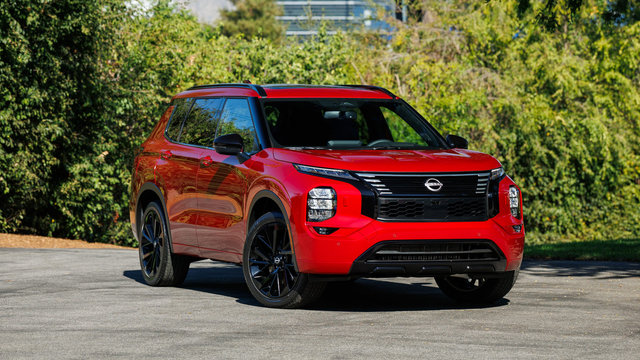
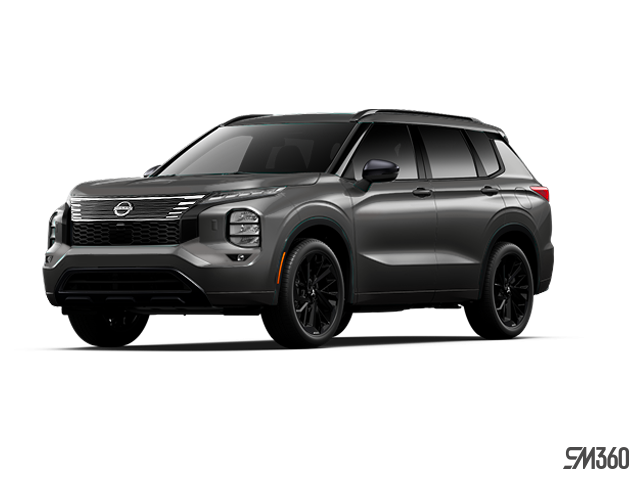
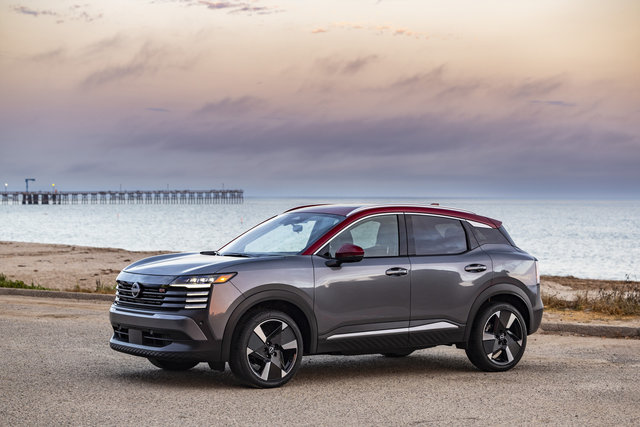
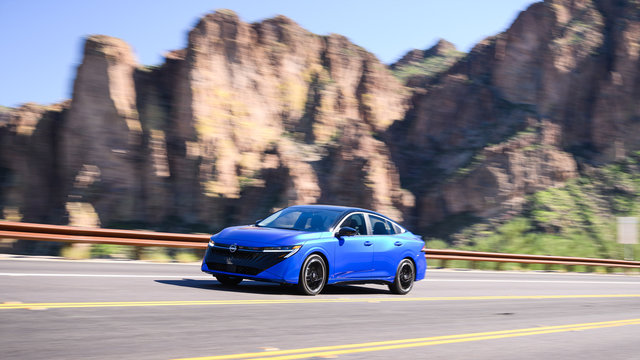
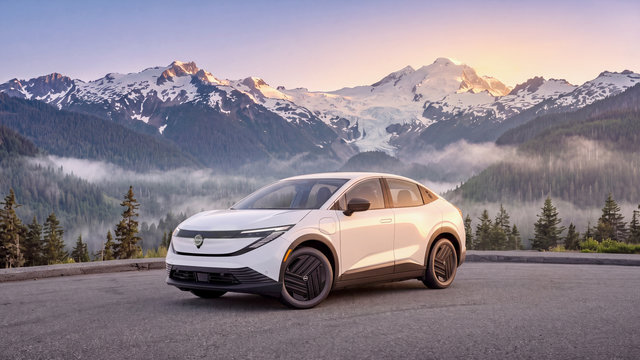
Merging with a fully loaded SUV can feel like a leap of faith, especially when the on-ramp is short and traffic is not slowing down. The 2026 Nissan Rogue Plug-in Hybrid is built around a powertrain that answers that moment directly, and for Quebec drivers weighing this SUV against the rest of the lineup, the number behind that response is worth understanding in plain terms.
This is not a story about track times or 0-100 km/h bragging rights. It is about what happens the instant you press the pedal to merge, pass, or pull away from a stop with the car full.
What The Rogue Plug-in Hybrid’s Powertrain Actually Is
The Rogue Plug-in Hybrid pairs a 2.4 L four-cylinder gasoline engine with two electric motors and a 20 kWh lithium-ion battery. Combined, the system produces 248 hp and 332 lb-ft of torque, routed through standard Intelligent All-Wheel Drive.
That torque figure matters more than the horsepower number for everyday driving. Torque is the twisting force available right away, and 332 lb-ft is what pulls the Rogue off the line before the engine even has to work hard.
The battery also supports 61 km of electric range, so short trips around town can happen with the gasoline engine barely contributing at all.
How The Gas Engine And Electric Motors Work Together
The two electric motors are always ready to contribute torque, even before the gasoline engine spins up. That is the core of how a hybrid system changes throttle feel: electric assistance fills in the low-speed pull that a gas-only engine needs revs to produce.
When you press the accelerator to merge or pass, the electric motors deliver their torque nearly instantly. The 2.4 L engine then adds power as speed builds, and the two work together rather than one waiting on the other.
A 3.5 kW onboard charger and a 120/240V portable charge cable let owners top up the battery at home, which keeps that electric torque available for the next drive rather than depleted from the day before.
Why This Matters On Quebec Roads Every Day
The difference between waiting for an engine to build power and having torque ready immediately shows up in specific situations: entering a fast-moving highway from a short ramp, passing a slower vehicle on a two-lane road, or pulling into a gap in city traffic. This is where the combined output does its work.
Standard AWD adds a second layer to that confidence. Because Intelligent All-Wheel Drive is standard on the Rogue Plug-in Hybrid, traction is already there for a quick lane change or an unexpected patch of wet or icy pavement, without the driver having to think about switching anything on. In a province where road conditions change with the seasons, that consistency matters year-round, not just in winter.
Carrying passengers or cargo also changes how much reserve power a driver needs. A full SUV, whether that means five people, luggage for a trip, or gear for a weekend away, asks more of a powertrain during a merge or a pass. The extra torque from the electric motors gives the Rogue Plug-in Hybrid a buffer that a lighter-duty setup would not have.
Selectable drive modes let a driver shape how that power arrives. The Rogue Plug-in Hybrid offers Normal, Power, Eco, Tarmac, Gravel, Snow, and Mud modes, so throttle response can be sharpened for a highway on-ramp or smoothed out for a quiet neighbourhood commute.
Regenerative braking, controlled through paddles behind the steering wheel, recovers energy every time the driver lifts off the throttle or brakes. It is part of what makes the power delivery feel smooth rather than abrupt, since the system is constantly managing energy in the background rather than just consuming it.
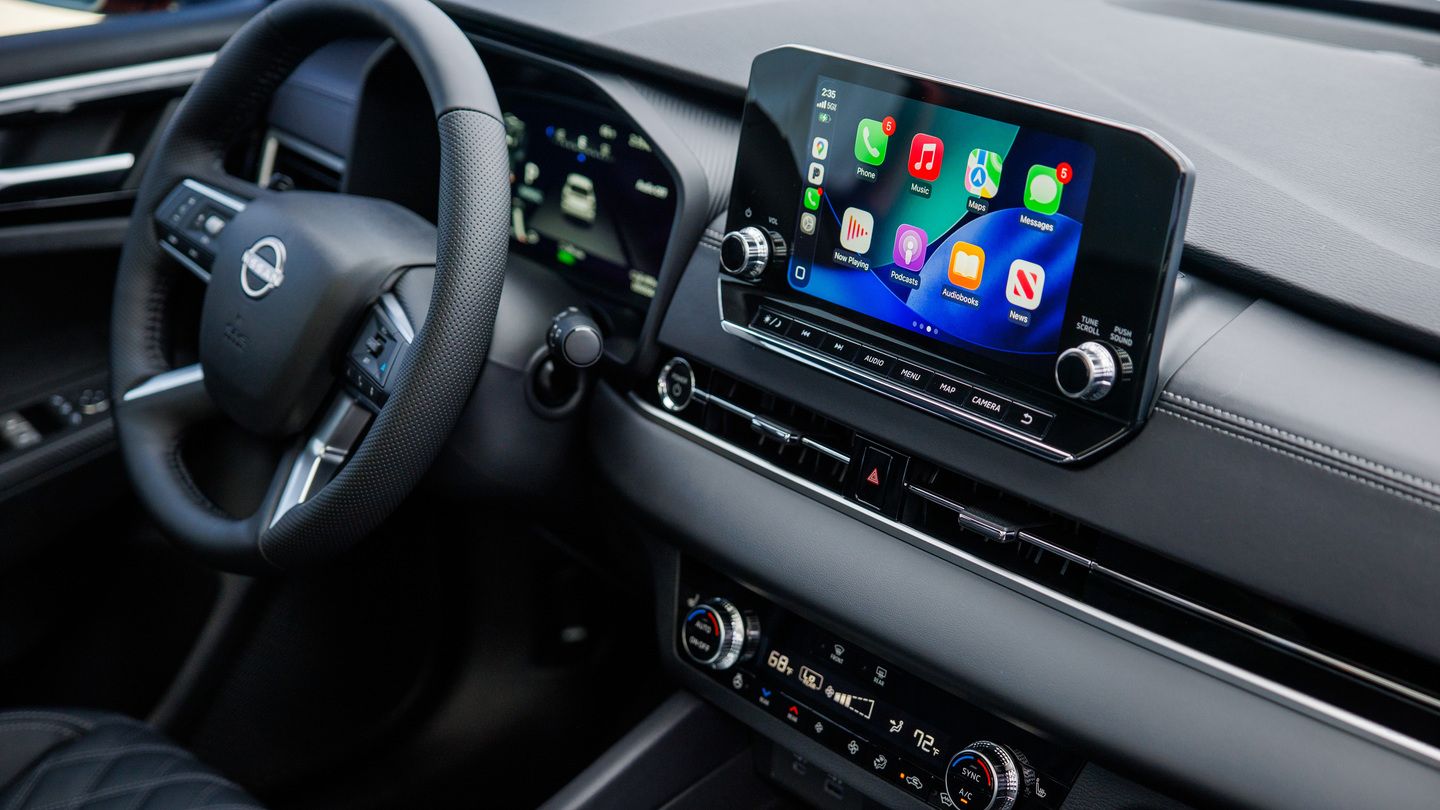
All of this is visible to the driver through a 12.3-inch digital dashboard, a 9-inch NissanConnect touchscreen, and a 10.8-inch head-up display, so battery state, drive mode, and power flow stay easy to check without looking away from the road for long.
Who Should Care Most About This
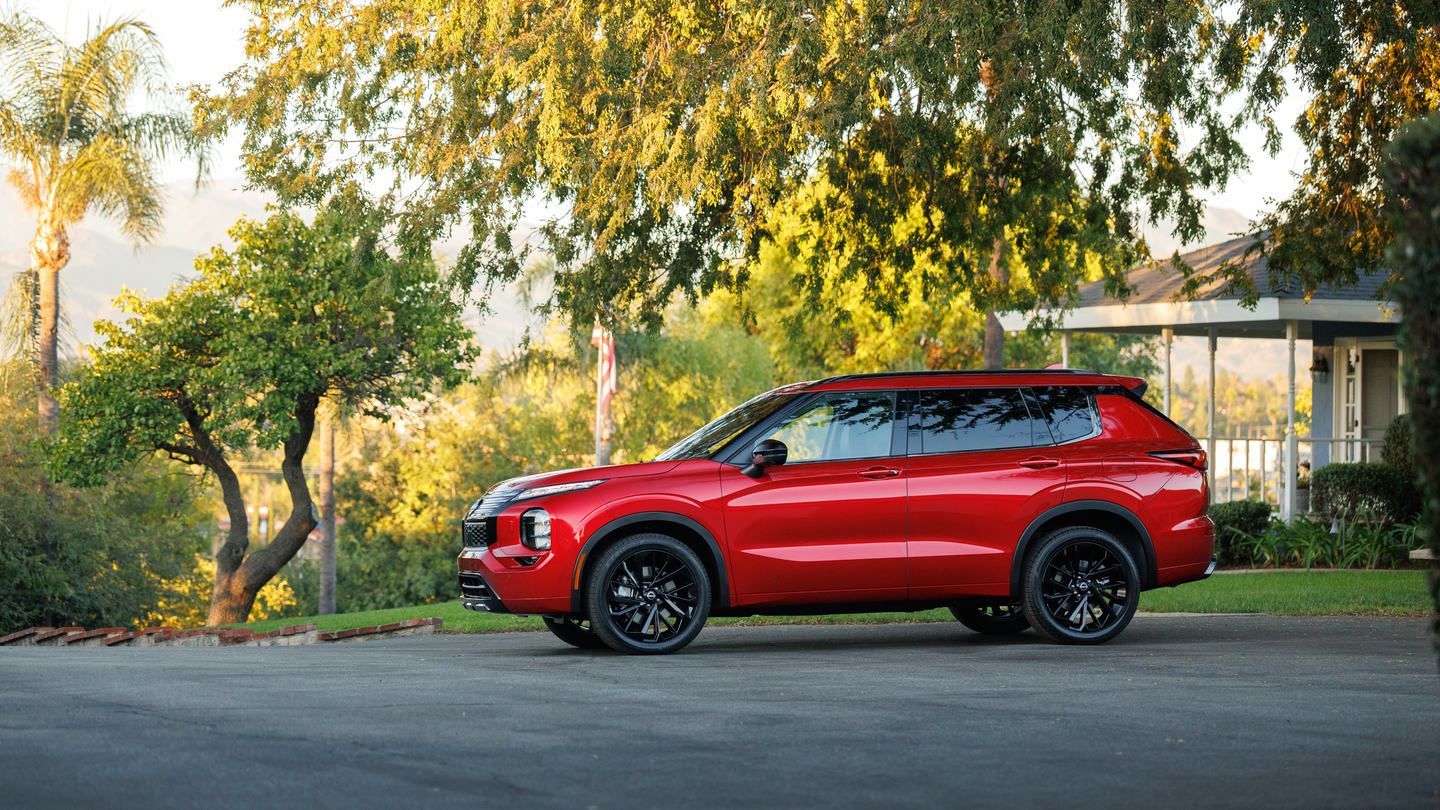
Drivers who spend real time merging onto fast provincial highways, passing slower traffic on two-lane roads, or navigating unpredictable weather will notice the combined output the most. So will families who regularly load the Rogue Plug-in Hybrid with passengers and gear, since that is exactly when the extra torque reserve counts.
The Rogue Plug-in Hybrid also seats up to seven, with a 40:20:40 split second-row seat and a fold-flat third row, so the same powertrain that handles a loaded merge also handles the family-hauling side of ownership. Home charging through the included cable adds a layer of daily convenience that a gasoline-only Rogue does not offer.
Feel The Difference In Person
The 2026 Rogue Plug-in Hybrid combines a 2.4 L engine, dual electric motors, and standard AWD into a system built around usable, immediate power rather than peak numbers alone. Its 248 hp and 332 lb-ft of torque are meant to be felt in daily situations like merging and passing, not just read on a spec sheet.
Visit Spinelli Nissan in Pointe-Claire to compare the Rogue Plug-in Hybrid against your current SUV and feel how its power delivery handles a real Quebec commute.